India Projects
 UAE Projects

Deep Well vs Well Point Dewatering: Which System Is Right for Your Project?

Groundwater management is one of the most critical aspects of modern construction. Whether constructing a high-rise building in Dubai, a commercial complex in Chennai, an infrastructure project in Abu Dhabi, or a residential development in Kerala, groundwater can significantly impact excavation safety, project schedules, and construction costs.
When groundwater enters an excavation area, it can create unstable soil conditions, delay construction activities, increase equipment downtime, and compromise worker safety. To address these challenges, construction companies rely on professional dewatering systems.
Among the various groundwater control techniques available today, Deep Well Dewatering and Well Point Dewatering are the two most commonly used solutions.
Although both systems aim to lower groundwater levels and maintain dry excavation conditions, they differ significantly in design, application, performance, and suitability for specific site conditions.
Understanding the differences between these systems is essential for selecting the most efficient and cost-effective solution for your project.
In this guide, we compare deep well and well point dewatering systems, explain their working principles, advantages, limitations, and help determine which method is best suited for different construction scenarios.
Understanding Construction Dewatering
Before comparing the two systems, it is important to understand the purpose of dewatering.
Construction dewatering is the process of removing or controlling groundwater to create dry, stable, and safe excavation conditions.
The primary objectives include:
- Lowering groundwater levels
- Preventing excavation flooding
- Improving soil stability
- Protecting adjacent structures
- Supporting foundation construction
- Enhancing site safety
- Improving construction productivity
The choice of dewatering system depends on several factors including excavation depth, groundwater conditions, soil characteristics, project size, and construction duration.
What Is Deep Well Dewatering?
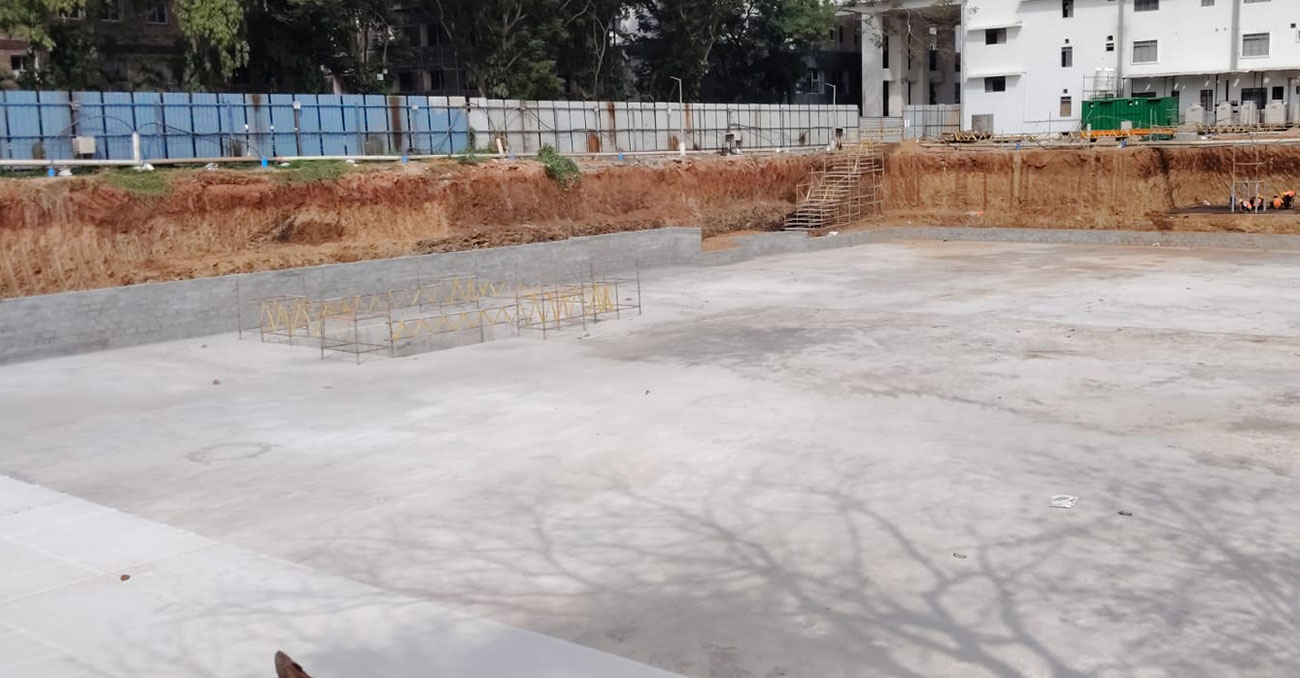
Deep well dewatering is a groundwater control method that uses drilled wells fitted with submersible pumps to lower groundwater levels around a construction site.
The wells are typically installed around the perimeter of an excavation. Groundwater enters the wells through screened sections and is continuously pumped away using high-capacity submersible pumps.
This process reduces groundwater pressure and lowers the water table below excavation depth.
Deep well systems are commonly used for:
- High-rise developments
- Deep basement construction
- Infrastructure projects
- Large commercial projects
- Industrial developments
- Long-term excavation works
These systems are particularly effective where groundwater levels are high and excavation depths exceed several meters.
How Deep Well Dewatering Works
A deep well system generally consists of:
Drilled Wells
Strategically placed around the excavation area.
Well Screens
Allow groundwater entry while preventing soil intrusion.
Gravel Packs
Improve filtration and groundwater flow.
Submersible Pumps
Continuously remove groundwater.
Discharge Network
Safely transports water away from the site.
Monitoring Equipment
Tracks groundwater levels and system performance.
The system operates continuously until excavation and structural works are completed.
Advantages of Deep Well Dewatering
Effective for Deep Excavations
One of the biggest advantages is its ability to manage groundwater at significant depths.
Large Area Coverage
Fewer wells can influence larger construction zones.
High Pumping Capacity
Capable of handling substantial groundwater inflows.
Long-Term Operation
Suitable for projects lasting several months.
Reliable Groundwater Control
Provides consistent performance under demanding conditions.
Suitable for High Permeability Soils
Works effectively in sands and gravels where groundwater movement is significant.
Limitations of Deep Well Dewatering
Despite its advantages, deep well systems have certain limitations.
Higher Initial Cost
Installation costs are generally higher.
Requires Drilling
Specialized drilling equipment is necessary.
More Complex Design
Hydrogeological assessments are often required.
Skilled Operation Needed
Professional monitoring and maintenance are essential.
What Is Well Point Dewatering?
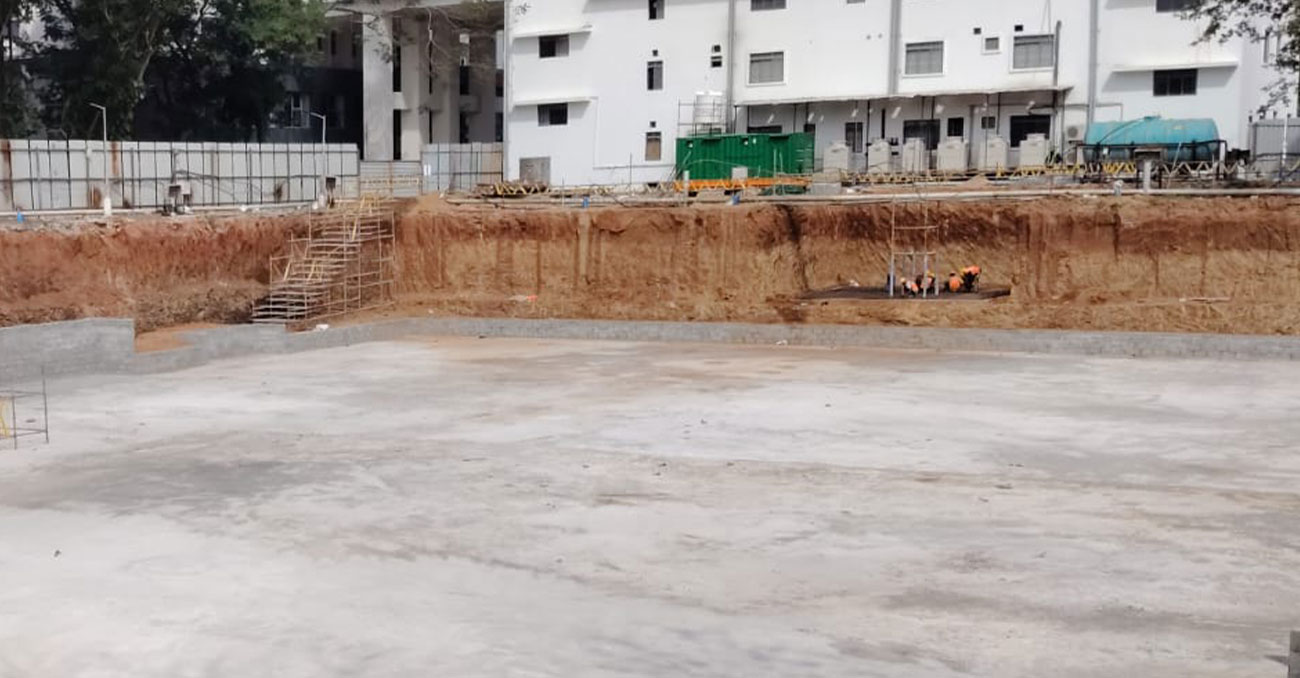
Well point dewatering uses multiple shallow wells connected to a common header pipe and vacuum pump system.
Unlike deep wells, which rely primarily on submersible pumps, well point systems use vacuum pressure to draw groundwater into the network.
These systems are widely used for:
- Shallow excavations
- Utility trench works
- Pipeline installation
- Small commercial projects
- Temporary groundwater control
Well point systems are especially effective where groundwater levels need to be lowered by a relatively small amount.
How Well Point Dewatering Works
A typical well point system includes:
Well Points
Small-diameter pipes installed around excavation areas.
Header Pipe
Connects individual well points.
Vacuum Pump Unit
Creates suction that draws groundwater into the system.
Discharge Line
Carries extracted water away from the site.
Monitoring Equipment
Ensures effective groundwater lowering.
The vacuum system continuously extracts groundwater while excavation activities proceed.
Advantages of Well Point Dewatering
Cost-Effective
Often less expensive for shallow excavations.
Quick Installation
Can be deployed rapidly.
Flexible Design
Easy to adapt to changing site conditions.
Ideal for Small Projects
Efficient for limited excavation footprints.
Minimal Equipment Requirements
Typically requires less specialized equipment than deep wells.
Limitations of Well Point Dewatering
Limited Depth Capability
Less effective for very deep excavations.
Lower Pumping Capacity
May struggle with large groundwater volumes.
Larger Number of Well Points
More installation points are often required.
Reduced Efficiency in Certain Soil Types
Performance can vary depending on ground conditions.
Deep Well vs Well Point Dewatering: Key Differences
| Features | Deep Well Dewatering | Well Point Dewatering |
| Excavation Depth | Deep excavations | Shallow excavations |
| Pump Type | Submersible pumps | Vacuum pumps |
| Groundwater Volume | High | Moderate |
| Installation Cost | Higher | Lower |
| Coverage Area | Large | Smaller |
| Project Duration | Long-term | Temporary |
| Soil Suitability | Sands & gravels | Fine sands & silty soils |
| Installation Complexity | High | Moderate |
| Maintenance | Moderate | Moderate |
| Typical Use | Basements, towers, infrastructure | Trenches, utilities, shallow foundations |
Which System Is Better for Basement Construction?
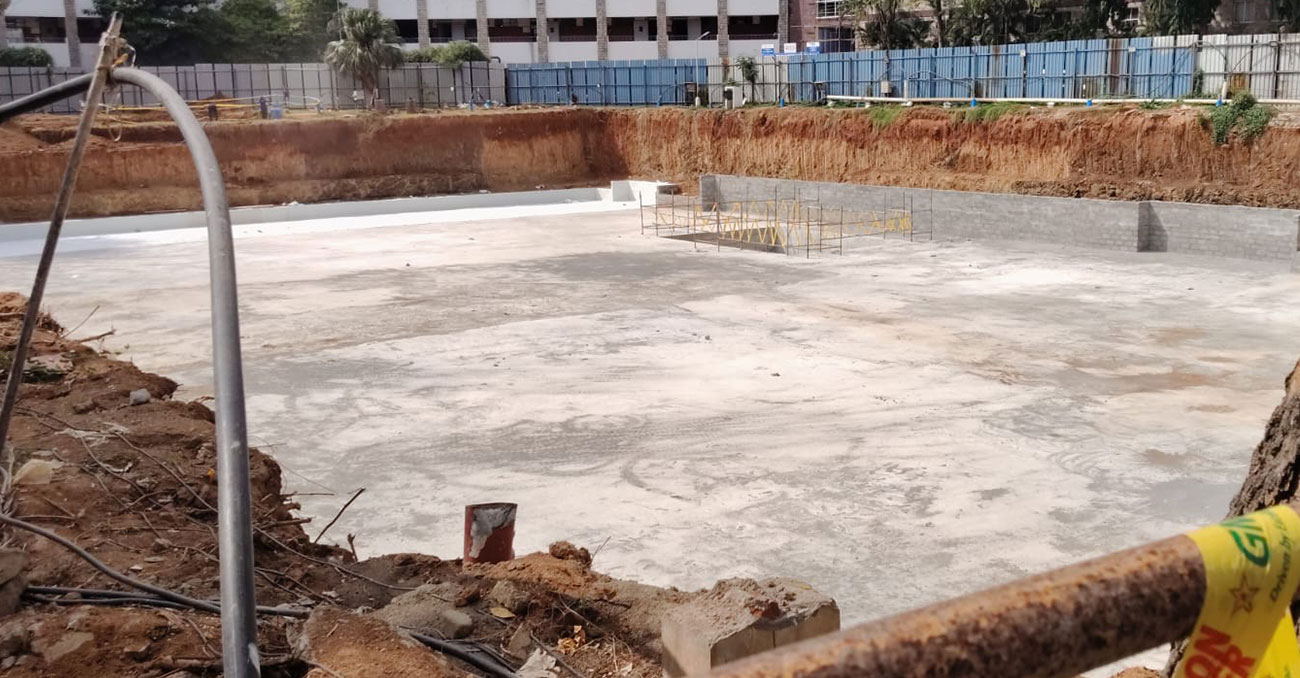
For basement construction projects, particularly in cities such as Chennai, Dubai, and Abu Dhabi, deep well dewatering is generally the preferred solution.
Reasons include:
- Greater depth capability
- Better groundwater control
- Larger influence radius
- Long-term performance
Most multi-level basement projects rely on deep well systems to maintain excavation stability.
Which System Is Better for Utility Projects?
Utility installation projects such as:
- Pipelines
- Drainage systems
- Cable trenches
- Water supply networks
often benefit from well point dewatering because:
- Excavations are relatively shallow
- Installation is faster
- Costs are lower
- Flexibility is higher
Factors to Consider When Choosing a Dewatering Method
Selecting the right system requires professional assessment.
Important considerations include:
Groundwater Level
Higher groundwater may require deeper solutions.
Excavation Depth
Depth often determines whether deep wells or well points are appropriate.
Soil Conditions
Different soils influence groundwater movement.
Project Duration
Long-term projects may justify larger systems.
Site Size
Larger sites often benefit from deep well systems.
Budget
Cost considerations remain important but should not compromise performance.
Environmental Requirements
Discharge regulations and sustainability objectives may affect design choices.
Can Deep Well and Well Point Systems Be Used Together?
Yes.
Many large projects combine both systems to maximize efficiency.
Examples include:
- Deep wells controlling regional groundwater levels
- Well points managing localized groundwater inflows
- Phased excavation projects
- Complex urban developments
Hybrid solutions often provide optimal groundwater management.
Why Professional Dewatering Design Matters
Regardless of the selected method, successful groundwater control depends on professional engineering design.
Improper system selection can result in:
- Inadequate groundwater control
- Excavation instability
- Increased project costs
- Delays
- Equipment failures
Experienced dewatering specialists evaluate site-specific conditions before recommending the most suitable solution.
Conclusion
Both deep well dewatering and well point dewatering are highly effective groundwater control methods when applied correctly.
Deep well systems are typically best for deep excavations, large-scale developments, and projects requiring long-term groundwater management. Well point systems are ideal for shallow excavations, utility works, and smaller construction projects where rapid installation and cost efficiency are priorities.
The right choice depends on groundwater conditions, excavation depth, soil characteristics, project size, and construction requirements.
Working with experienced dewatering professionals ensures that the selected system delivers reliable performance, protects excavation stability, and supports successful project completion.
Frequently Asked Questions (FAQ)
- What is the main difference between deep well and well point dewatering?
Deep well systems use drilled wells and submersible pumps for deep groundwater control, while well point systems use multiple shallow wells connected to a vacuum pump.
- Which system is better for deep excavations?
Deep well dewatering is generally more suitable for deep excavations and large construction projects.
- Which method is more economical?
Well point dewatering is often more cost-effective for shallow excavations and temporary works.
- Can both systems be used together?
Yes. Many complex construction projects combine deep wells and well points for improved groundwater management.
- What soil conditions suit deep well dewatering?
Deep well systems perform particularly well in permeable soils such as sands and gravels.
- What projects commonly use well point dewatering?
Utility trenches, pipelines, shallow foundations, and temporary excavations commonly use well point systems.
- Is deep well dewatering suitable for basement construction?
Yes. Deep well systems are widely used for basement and underground structure construction.
- How is the correct dewatering system selected?
Engineers evaluate groundwater conditions, excavation depth, soil characteristics, and project requirements before selecting a solution.
- What equipment is used in deep well dewatering?
Deep wells, submersible pumps, well screens, discharge pipelines, and monitoring equipment.
- Why should I hire professional dewatering contractors?
Professional contractors provide proper design, installation, monitoring, and maintenance to ensure reliable groundwater control.